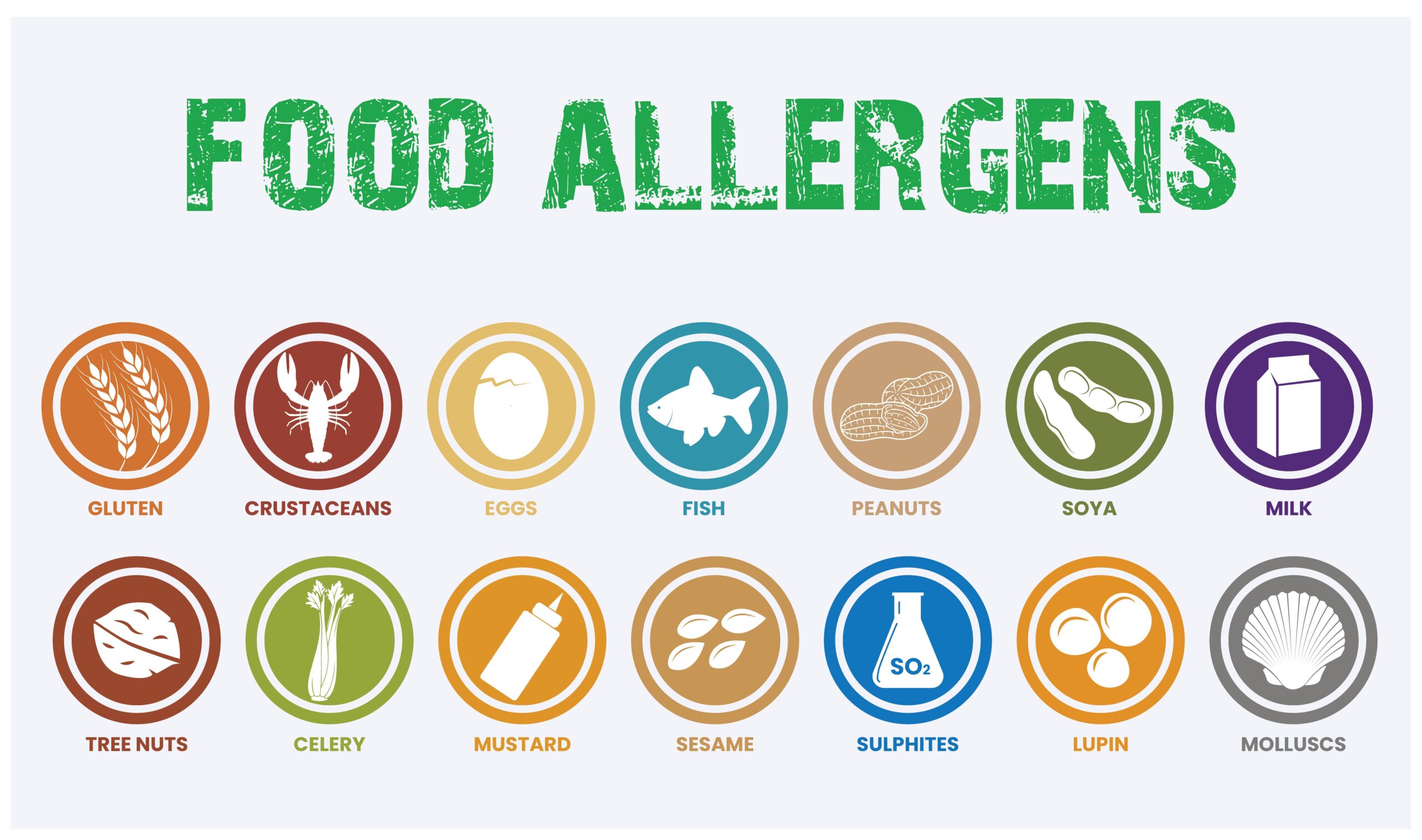
Natasha's Law reshaped allergen labelling requirements for UK food businesses. Two years on, the compliance lessons are clearer than ever.
Natasha’s Law came into force on 1 October 2021 and fundamentally changed the allergen labelling requirements for pre-packaged for direct sale food across the UK. Every PPDS product now requires full ingredient and allergen labelling on the packaging a change introduced following the death of Natasha Ednan-Laperouse, who suffered a fatal allergic reaction to a Pret a Manger baguette containing undeclared sesame.
For many food businesses the change was significant. Sandwich shops, delis, school caterers, hospital kitchens, and food manufacturers producing PPDS products all had to review their entire product range and introduce labelling where none had previously been required.
What Natasha’s Law actually requires The law applies to any food that is packaged on the same premises from which it is sold, before a customer orders it. This includes sandwiches made and wrapped in the morning, pre-packed salads, and bakery items packaged before sale.
For every PPDS product the label must show the name of the food and a full ingredients list with the 14 major allergens emphasised within that list. Emphasising allergens means making them stand out visually from the rest of the ingredients, typically through bold text or capitalisation.
What the law does not cover is food packaged away from the point of sale, which falls under different prepacked food labelling rules, and food prepared fresh to order, which is covered by allergen information requirements but not PPDS labelling.
Where food businesses are still getting it wrong
Despite Natasha’s Law having been in force since 2021, FSA enforcement activity continues to identify businesses that are not fully compliant. The most common failures are incomplete ingredient lists, allergens that are not clearly emphasised, and labels that do not reflect the actual recipe being used.
That last failure is often the hardest to resolve. A label is only as accurate as the recipe data behind it. If your recipes are managed in spreadsheets or on paper recipe cards, keeping labels in sync with recipe changes is a manual process that is prone to falling behind.
The businesses with the most reliable compliance are those that have connected their recipe management and allergen data so that when a recipe changes, the impact on labelling is flagged automatically. What to do if you are not yet fully compliant.
Start by auditing every PPDS product you sell. For each one confirm that the label shows the correct product name, a complete and accurate ingredients list, and that all 14 major allergens are clearly emphasised where present. Then look at the process behind the labels. How does your business ensure that labels stay accurate when recipes change or when a supplier reformulates an ingredient? If the answer involves manual checks and email chains, that process needs to be strengthened.
A digital recipe and allergen management system removes the manual dependency by linking your recipe data directly to your compliance documentation. When something changes, the system flags it before it reaches a label and a customer.
Food Trace helps teams manage allergen declarations and specifications through Allergen & Spec Management. For the official position on Natasha’s Law, see FSA guidance on PPDS allergen labelling.